






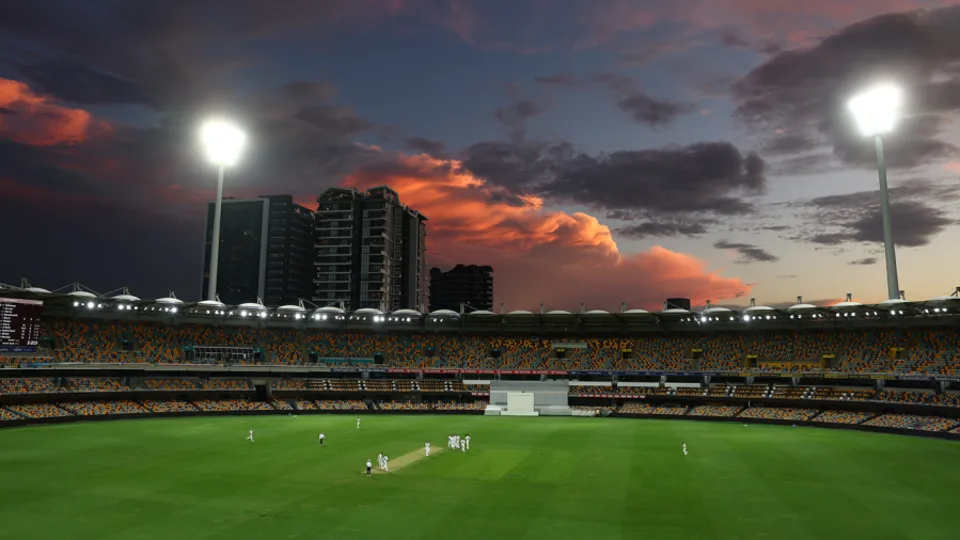
The Gabba Day Night Test is shaping up to be a thrilling encounter as Australia prepares to host the second Ashes Test. Curator Dave Sandurski is focusing on crafting a pitch that rewards both batters and bowlers. His plan is to replicate the balance observed in the recent Sheffield Shield Gabba Day Night Test match between Queensland and Victoria, which provided an excellent benchmark for the upcoming Test.
Lessons from the Sheffield Shield
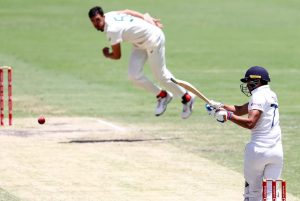
In the Sheffield Shield Gabba Day Night Test, Queensland’s Matt Renshaw and Xavier Bartlett stood out with remarkable performances. Renshaw scored a brilliant 114 in the first innings, while Bartlett added 72 with the bat and took four wickets for 35 runs in Victoria’s second innings. Their combined effort helped Queensland secure a seven-wicket win on the third day, showcasing how the Gabba Day Night Test pitch can favor players who adapt well to the conditions.
Although the Test pitch will differ slightly from the Shield match, players agree that the Gabba provides a fair surface where both batting and bowling skills are tested. Renshaw and Bartlett emphasized that the upcoming Gabba Day Night Test will challenge players to find the right balance between patience and aggression, making every session crucial.
The fact that the Shield match ended late on day three gives Sandurski additional time to prepare the Test pitch. With hot weather forecasted, this extra day will ensure the surface retains moisture and remains suitable for the full five days of the Gabba Day Night Test, maintaining the expected level of competition for all players.
ALSO READ:
Preparing a Balanced Test Pitch
Sandurski explained that extra preparation time is essential for a quality pitch. “Gaining an extra day to get it close to that 10-day preparation period makes life just a little bit more comfortable,” he said while discussing the upcoming Gabba Day Night Test.
He added that managing the wicket under hot conditions is a delicate task. “The wicket will dry out faster, so you have to keep enough moisture in it to last five days,” Sandurski said. “We aim to prepare surfaces suitable for both four and five-day cricket, which ensures that the upcoming Gabba Day Night Test allows all players to showcase their skills fully.”
According to Sandurski, the Shield match acts as a reliable guide for the pitch’s performance in the Test. Batters who adapt to the bounce and pace will be rewarded, while bowlers who exploit seam and swing will find plenty of opportunities during the Gabba Day Night Test.
Twilight Period: Key to the Game
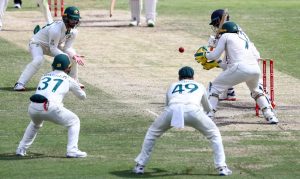
Bartlett highlighted the importance of the twilight session in the Shield Gabba Day Night Test. He and fellow bowler Gurinder Sandhu noticed the pitch offered extra seam and bounce during this period on day three.
“Just during twilight, the pink ball moves more and the game goes through massive swings,” Bartlett said. “You see wickets falling in clusters, so you have to stay focused and make the most of that middle session in the Gabba Day Night Test.”
He also mentioned that if the Test pitch mimics the Shield match, it will provide an excellent contest for both batters and bowlers. “We got a result in three days, but when you bat well, you are rewarded, and if you bowl well, it’s the same in the Gabba Day Night Test,” Bartlett added.
Renshaw on Twilight Challenges
Renshaw spoke about the twilight period as one of the more challenging times to bat. He noted that the pink ball can move unpredictably, making scoring difficult, but capable batters can still find opportunities.
“While batting, it feels like you can get a ball that’s just right for you at some point, but I think it will be a similar wicket to what we normally see at the Gabba Day Night Test,” Renshaw said. He recalled his experience in a previous pink-ball Test against the West Indies, where the ball swung occasionally, yet batting remained enjoyable.
A Pitch for Both Batters and Bowlers
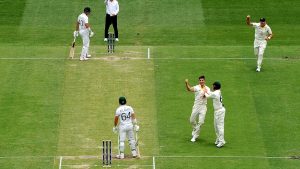
Sandurski stressed that pitch preparation has evolved over the years. In the past, drawn matches were more common, but modern cricket encourages attacking play, which requires a more balanced surface.
“Years ago, draws were fine, but now players play more shots, and the pitch should allow for that. We aim to create surfaces where everyone can show their skills in the Gabba Day Night Test,” he explained.
The Sheffield Shield Gabba Day Night Test reflected this approach, rewarding players who performed consistently with bat or ball. This balance is expected to continue in the upcoming Ashes Test, making the Gabba Day Night Test a true contest between batting flair and bowling strategy.
Preparing for a Memorable Ashes Encounter
With all these preparations, the upcoming Gabba Day Night Test promises to be an exciting spectacle. The pitch is expected to challenge players across all sessions, including the crucial twilight period. Fans can anticipate a match where skill, strategy, and endurance are all put to the test, reinforcing the Gabba’s reputation as one of the most balanced cricket grounds in Australia.
Sandurski’s approach, combined with lessons from the Shield match, ensures that the Gabba Day Night Test will reward players who adapt to conditions, whether it’s controlling the swing with the bat or exploiting the seam with precision. This sets the stage for a thrilling five-day Test, keeping cricket enthusiasts on the edge of their seats.