


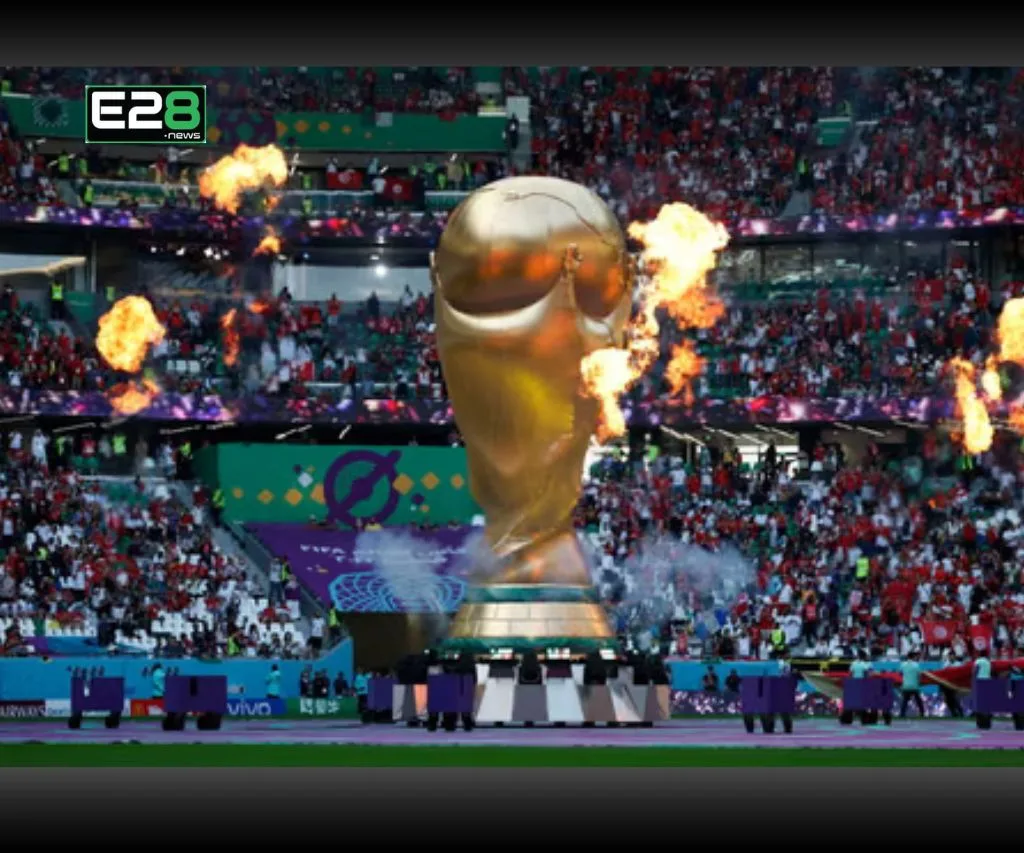
With the World Cup countdown underway for the 2026 tournament in the United States, Mexico, and Canada, fresh controversy has emerged. European anger has grown following remarks by US President 0regarding Greenland, an autonomous territory of Denmark. The issue has ignited political debate and stirred rumors of a possible European boycott of football’s biggest event.
NATO, of which Denmark is a member, could also be drawn into the dispute if Greenland’s security becomes a concern. The situation has created visible tension between long-time allies, raising questions about how politics may affect global sports.
“𝑪𝒂𝒏 𝒘𝒆 𝒊𝒎𝒂𝒈𝒊𝒏𝒆 𝒑𝒍𝒂𝒚𝒊𝒏𝒈 𝒕𝒉𝒆 𝑾𝒐𝒓𝒍𝒅 𝑪𝒖𝒑 𝒊𝒏 𝒂 𝒄𝒐𝒖𝒏𝒕𝒓𝒚 𝒕𝒉𝒂𝒕 𝒕𝒉𝒓𝒆𝒂𝒕𝒆𝒏𝒔 𝒕𝒐 𝒅𝒐𝒎𝒊𝒏𝒂𝒕𝒆 𝒐𝒖𝒓 𝒏𝒆𝒊𝒈𝒉𝒃𝒐𝒓𝒔?” 𝒘𝒓𝒐𝒕𝒆 𝑭𝒓𝒆𝒏𝒄𝒉 𝒍𝒂𝒘𝒎𝒂𝒌𝒆𝒓 𝑬𝒓𝒊𝒄 𝑪𝒐𝒄𝒒𝒖𝒆𝒓𝒆𝒍 𝒐𝒏 𝒔𝒐𝒄𝒊𝒂𝒍 𝒎𝒆𝒅𝒊𝒂.
World Cup Officials Downplay Boycott Speculation
Cocquerel’s statement sparked talk that France, a two-time world champion, might consider staying away from the tournament. However, French Sports Minister Marina Ferrari quickly dismissed the idea, stressing the importance of keeping politics and sports separate.
“𝑻𝒉𝒆 𝑾𝒐𝒓𝒍𝒅 𝑪𝒖𝒑 𝒊𝒔 𝒂 𝒎𝒂𝒋𝒐𝒓 𝒎𝒐𝒎𝒆𝒏𝒕 𝒇𝒐𝒓 𝒂𝒍𝒍 𝒔𝒑𝒐𝒓𝒕𝒔 𝒇𝒂𝒏𝒔. 𝑾𝒆 𝒂𝒓𝒆 𝒏𝒐𝒕 𝒑𝒍𝒂𝒏𝒏𝒊𝒏𝒈 𝒂𝒏𝒚 𝒃𝒐𝒚𝒄𝒐𝒕𝒕,” 𝑭𝒆𝒓𝒓𝒂𝒓𝒊 𝒔𝒂𝒊𝒅.
Scotland, set to return to the World Cup for the first time since 1998, also dismissed talk of a boycott. Meanwhile, some UK lawmakers from England, Scotland, Wales, and Northern Ireland have called for discussions on the issue, though England and Scotland have already secured qualification.
Adding to the tension, Trump recently announced proposed tariffs on goods from several European nations, linking the move to his stance on Greenland. Despite the political storm, organizers continue preparations for what is expected to be one of the most-watched tournaments in history.
Also Read: Pakistan Unleashes Four-Minute Storm to Crush Bangladesh