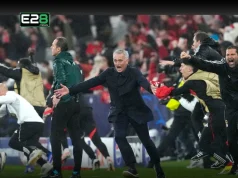







In modern football, success is no longer defined solely by trophies. A world-class football manager must balance tactics, psychology, leadership, and adaptability to thrive at the highest level. From Champions League nights to intense domestic battles, the best managers consistently find ways to win — and to evolve.
Tactical Intelligence and Adaptability
At the top level, tactical awareness separates good managers from elite ones. World-class coaches study opponents meticulously, adjust formations mid-game, and adapt their playing style based on available personnel. Managers like Pep Guardiola and Carlo Ancelotti have shown that flexibility — not rigid systems — leads to long-term success.
“The best managers don’t just prepare for one plan; they prepare for every possible scenario,” said a former Premier League analyst.
In-game decision-making, substitutions, and reading momentum often decide matches at the highest level, especially in knockout competitions.
Man Management and Leadership Skills
Beyond tactics, elite managers excel in communication and player relationships. Handling superstar egos, motivating squad players, and maintaining unity during difficult periods are crucial traits. Trust and clarity allow players to perform with confidence under pressure.
Modern football managers must also work closely with sporting directors, analysts, and medical teams, making leadership off the pitch just as important as decisions on it.
“Players will run through walls for a manager who understands them,” a senior coach explained.
As football continues to evolve, the most successful managers are those who combine intelligence, emotional control, and a relentless desire to improve — season after season.
Also Read: Barcelona Open Talks With Top Agent Over New Forward Signing