





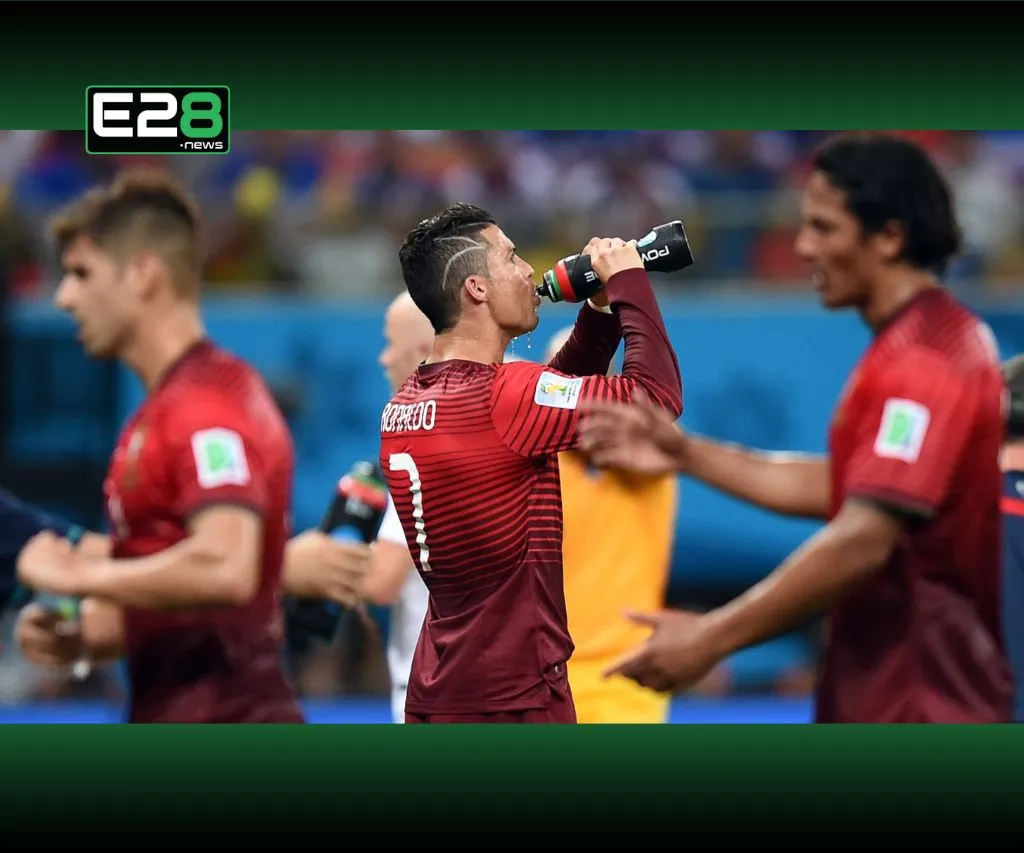
With the 2026 World Cup set to take place across the United States, Canada, and Mexico—countries expected to face intense summer heat—FIFA has announced a major change aimed at protecting players. Every match will now be divided into four segments instead of the traditional two halves. Along with the usual halftime interval, referees will also pause play midway through every 45 minutes for a short hydration break.
This decision came after consultations with team coaches, medical personnel, and broadcast partners. While similar breaks existed during the recent Club World Cup, they were used only when temperatures exceeded 38°C. But for the World Cup, the pause will be enforced regardless of weather conditions, with a three-minute stoppage after the 22nd minute of each half—effectively creating four mini-halves per match.
Players Concerned About Extreme Heat
Several players have recently described the harsh playing conditions in summer tournaments.
Benfica forward Andreas Schelderup, speaking after a scorching match against Bayern Munich, said:
“𝑰 𝒅𝒐𝒏’𝒕 𝒕𝒉𝒊𝒏𝒌 𝑰’𝒗𝒆 𝒆𝒗𝒆𝒓 𝒑𝒍𝒂𝒚𝒆𝒅 𝒊𝒏 𝒉𝒆𝒂𝒕 𝒍𝒊𝒌𝒆 𝒕𝒉𝒊𝒔. 𝑰𝒕 𝒅𝒆𝒇𝒊𝒏𝒊𝒕𝒆𝒍𝒚 𝒅𝒐𝒆𝒔𝒏’𝒕 𝒇𝒆𝒆𝒍 𝒉𝒆𝒂𝒍𝒕𝒉𝒚, 𝒃𝒖𝒕 𝑰 𝒔𝒐𝒎𝒆𝒉𝒐𝒘 𝒇𝒊𝒏𝒊𝒔𝒉𝒆𝒅 𝒕𝒉𝒆 𝒈𝒂𝒎𝒆.”
Chelsea midfielder Enzo Fernández shared a similar concern:
Their comments highlight why FIFA insists that the new rule is a safety measure designed to prevent heat-related illness.
Debate Grows: Player Health or New Business Strategy?
Despite FIFA’s emphasis on health, critics and fans are questioning the organization’s real intentions. Hydration breaks naturally create extra commercial windows during broadcasts. Even though players will use the time to drink water, networks are expected to fill those three-minute pauses with advertisements.
Many suspect that FIFA sees the rule as an opportunity to increase advertising revenue, not just protect athletes. Footballers already take quick sips from water bottles during natural stoppages, raising doubts about the necessity of such a structured break. Some also fear that frequent interruptions could disrupt the flow and rhythm of the game.
As debate intensifies, one question remains unresolved:
Are these breaks truly designed for player welfare, or is FIFA opening the door to a new profit stream?
Only time—and the World Cup itself—will reveal who benefits the most.
Also Read: Man City Shock Real Madrid with Stunning Bernabeu Triumph