



As preparations for the 2026 FIFA World Cup in the United States, Canada, and Mexico gather pace, a fresh political controversy has cast a shadow over the tournament. Tensions have risen in Europe following comments by US President Donald Trump regarding Greenland, an autonomous territory of Denmark, sparking discussions about a possible World Cup boycott.
The issue has gained traction as Denmark, a NATO member and long-standing US ally, reacted strongly to Trump’s renewed interest in asserting control over Greenland. The remarks have unsettled several European nations, with concerns that the situation could impact diplomatic and sporting relations.
French Lawmaker Sparks Boycott Debate
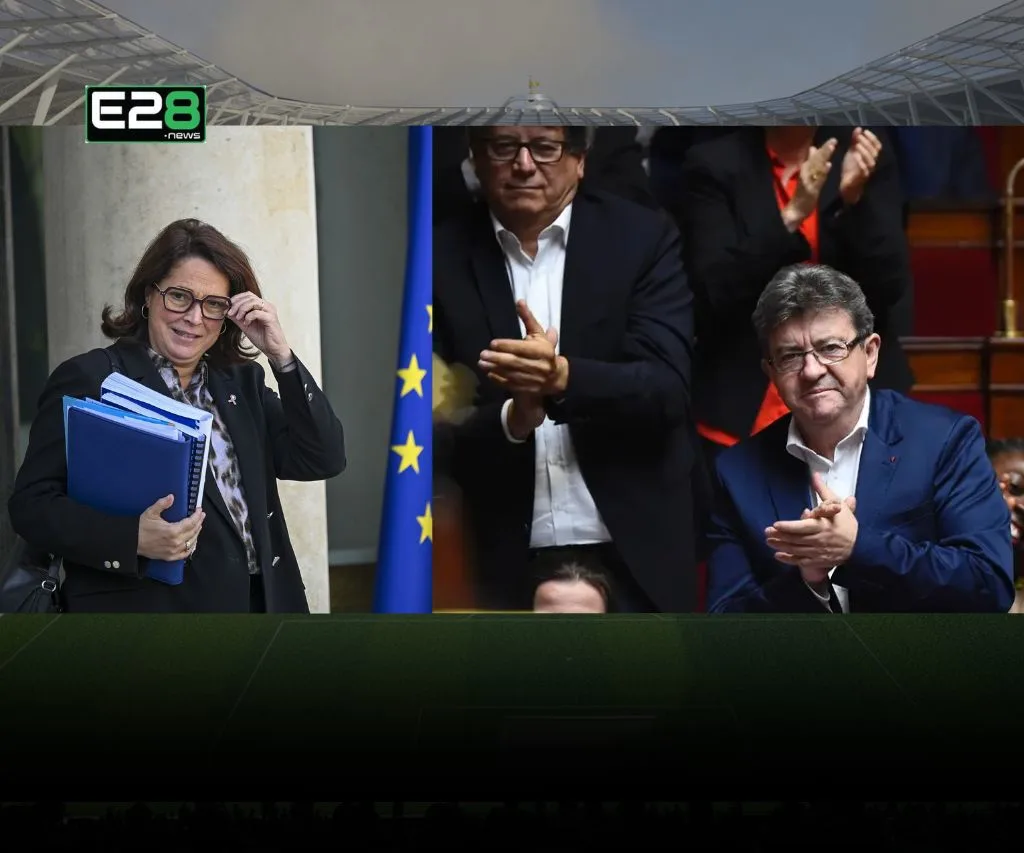
French left-wing politician Eric Coquerel fueled the controversy by publicly questioning whether European teams should participate in a tournament hosted by the United States under such circumstances.
“𝑪𝒂𝒏 𝒘𝒆 𝒊𝒎𝒂𝒈𝒊𝒏𝒆 𝒑𝒍𝒂𝒚𝒊𝒏𝒈 𝒕𝒉𝒆 𝑾𝒐𝒓𝒍𝒅 𝑪𝒖𝒑 𝒊𝒏 𝒂 𝒄𝒐𝒖𝒏𝒕𝒓𝒚 𝒕𝒉𝒂𝒕 𝒕𝒉𝒓𝒆𝒂𝒕𝒆𝒏𝒔 𝒕𝒐 𝒅𝒐𝒎𝒊𝒏𝒂𝒕𝒆 𝒊𝒕𝒔 𝒏𝒆𝒊𝒈𝒉𝒃𝒐𝒓𝒔 𝒂𝒏𝒅 𝒐𝒑𝒆𝒏𝒍𝒚 𝒄𝒉𝒂𝒍𝒍𝒆𝒏𝒈𝒆𝒔 𝒊𝒏𝒕𝒆𝒓𝒏𝒂𝒕𝒊𝒐𝒏𝒂𝒍 𝒍𝒂𝒘?” 𝑪𝒐𝒒𝒖𝒆𝒓𝒆𝒍 𝒘𝒓𝒐𝒕𝒆 𝒐𝒏 𝒔𝒐𝒄𝒊𝒂𝒍 𝒎𝒆𝒅𝒊𝒂.
His comments raised speculation that France, a two-time World Cup winner, could consider staying away from the competition. However, the French government was quick to downplay the idea.
French Sports Minister Marina Ferrari dismissed the boycott talk, emphasizing the importance of keeping sports separate from politics.
“𝑾𝒆 𝒂𝒓𝒆 𝒏𝒐𝒕 𝒄𝒐𝒏𝒔𝒊𝒅𝒆𝒓𝒊𝒏𝒈 𝒃𝒐𝒚𝒄𝒐𝒕𝒕𝒊𝒏𝒈 𝒔𝒖𝒄𝒉 𝒂 𝒎𝒂𝒋𝒐𝒓 𝒂𝒏𝒅 𝒉𝒊𝒈𝒉𝒍𝒚 𝒂𝒏𝒕𝒊𝒄𝒊𝒑𝒂𝒕𝒆𝒅 𝒆𝒗𝒆𝒏𝒕,” 𝑭𝒆𝒓𝒓𝒂𝒓𝒊 𝒔𝒂𝒊𝒅. “𝑻𝒉𝒆 2026 𝑾𝒐𝒓𝒍𝒅 𝑪𝒖𝒑 𝒊𝒔 𝒂 𝒔𝒑𝒆𝒄𝒊𝒂𝒍 𝒎𝒐𝒎𝒆𝒏𝒕 𝒇𝒐𝒓 𝒇𝒐𝒐𝒕𝒃𝒂𝒍𝒍 𝒇𝒂𝒏𝒔 𝒘𝒐𝒓𝒍𝒅𝒘𝒊𝒅𝒆.”
European Reactions Remain Divided
While some European lawmakers have voiced concern, several countries appear reluctant to link football with political disputes. Scotland, preparing for its first World Cup appearance since 1998, has ruled out any boycott. Scottish National Party leader Stephen Flynn addressed the issue humorously, saying Scotland had already “boycotted” the World Cup for decades due to non-qualification.
Meanwhile, a group of MPs from England, Scotland, Wales, and Northern Ireland recently called for discussions around a boycott. England and Scotland have already secured qualification, while Wales and Ireland remain hopeful through the playoffs.
The situation escalated further after President Trump announced potential trade tariffs on several European countries, warning of increased economic pressure if Greenland is not transferred to US control. As political tensions simmer, FIFA and football authorities are closely monitoring developments that could influence the buildup to the 2026 World Cup.
Also Read: Liverpool Cruise into Top Four as 10-Man Bayern Falter