





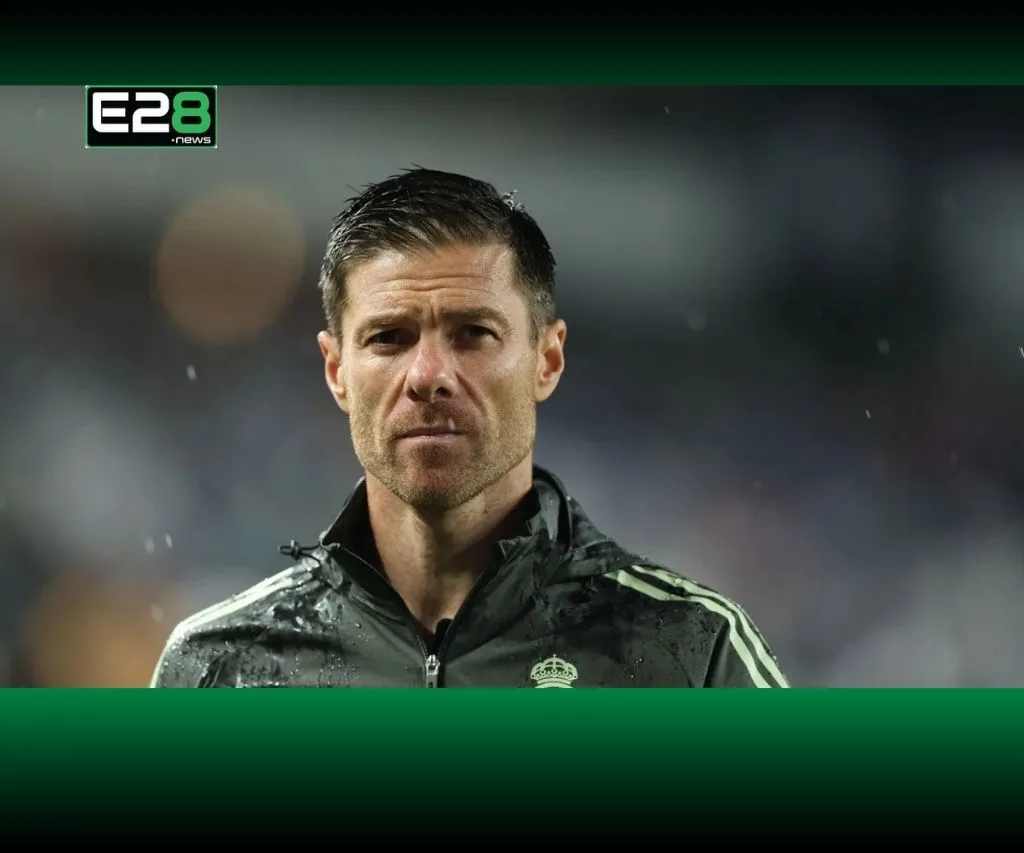
Xabi Alonso once imagined himself leading Real Madrid from the touchline, and after rewriting history with Bayer Leverkusen, that dream became reality. However, his tenure at the Santiago Bernabéu lasted just seven and a half months, ending abruptly after a 3-2 defeat to Barcelona in the Spanish Super Cup final.
Alonso’s position had already come under scrutiny before Christmas following only two wins in eight matches, although a run of five straight victories briefly eased the pressure. That momentum vanished in Jeddah, and following discussions with club officials, Alonso stepped down on Monday.
When he first returned to Madrid as head coach, optimism was high. He lost just three of his opening 20 matches across competitions and had Real sitting five points clear at the top of La Liga by November. But speculation over his future never fully disappeared.
Project Philosophy Meets Real Madrid Reality
Despite being only four points behind Barcelona in La Liga and still well placed in the Champions League, internal issues hastened Alonso’s departure. Dressing-room tensions, uneven performances, and limited patience from the hierarchy undermined his long-term vision.
Alonso built his reputation at Leverkusen with a carefully structured system that delivered an unbeaten Bundesliga title. At Real Madrid, however, time was a luxury he did not have.
“𝑯𝒆 𝒊𝒔 𝒂 𝒄𝒐𝒂𝒄𝒉 𝒘𝒉𝒐 𝒃𝒆𝒍𝒊𝒆𝒗𝒆𝒔 𝒊𝒏 𝒃𝒖𝒊𝒍𝒅𝒊𝒏𝒈 𝒔𝒕𝒆𝒑 𝒃𝒚 𝒔𝒕𝒆𝒑,” 𝒐𝒏𝒆 𝒄𝒍𝒖𝒃 𝒔𝒐𝒖𝒓𝒄𝒆 𝒏𝒐𝒕𝒆𝒅. “𝑩𝒖𝒕 𝒂𝒕 𝑹𝒆𝒂𝒍 𝑴𝒂𝒅𝒓𝒊𝒅, 𝒓𝒆𝒔𝒖𝒍𝒕𝒔 𝒄𝒐𝒎𝒆 𝒃𝒆𝒇𝒐𝒓𝒆 𝒑𝒓𝒐𝒄𝒆𝒔𝒔.”
Unlike in Germany, where continuity was guaranteed, Alonso found himself navigating an environment where man-management and hierarchy control outweighed tactical purity.
Injuries, Rotation, and Tactical Imbalance
Alonso’s reign began at the Club World Cup in the United States, without a full pre-season. He was forced to test formations and personnel in competitive matches while dealing with a lengthy injury list that included Rüdiger, Militão, Carvajal, Alaba, Mendy, and Trent Alexander-Arnold.
As a result, Real Madrid never fielded the same starting XI in La Liga. Alonso averaged more than three changes per game, preventing tactical consistency and cohesion.
In possession, Madrid frequently shifted into a three-man defence, with Aurélien Tchouaméni dropping back to form 3-2-5 or 3-4-3 structures — a system Alonso had mastered at Leverkusen. But in Madrid, the execution fell short.
“Not all players were used in roles that suited them best,” a tactical analyst observed.
Key figures such as Jude Bellingham, Vinícius Júnior, and Federico Valverde failed to reach peak form under the system, while balance on the right flank remained elusive.
Over-Reliance on Mbappé and Defensive Decline
Madrid increasingly leaned on Kylian Mbappé, who scored 18 goals in 18 matches, accounting for 42 percent of the team’s total goals. While effective, that dependency highlighted the lack of collective attacking rhythm.
Alonso also insisted on defending with all 11 players. Early signs of aggressive pressing faded as the season wore on, placing extra strain on the midfield and back line. The attacking freedom remained, but defensive structure and compactness deteriorated.
Individual brilliance rescued Madrid on several occasions, yet the team as a whole grew fragile. Alonso departed before those cracks could be fully addressed.
In the end, his strategic vision clashed with the unforgiving demands of Real Madrid — a place where philosophy must deliver instant success or be abandoned.
Also Read: New Real Madrid Coach Breaks Silence After Alonso Exit