


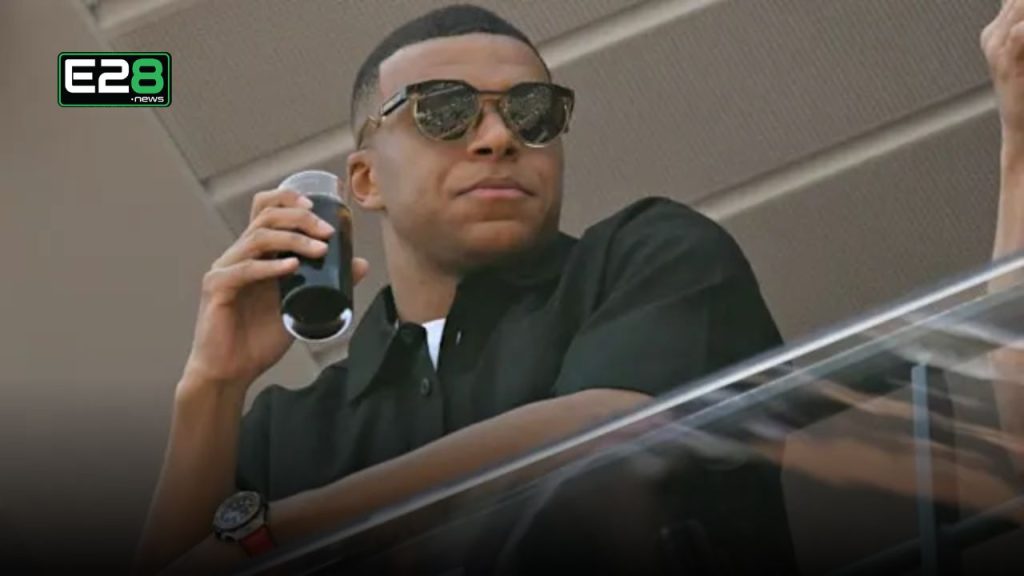
Kylian Mbappe is set to receive €60 million (£52.5m) after winning a legal battle for unpaid salary and bonuses against his former club, Paris Saint-Germain. One notable part of this payout is a €1.5 million (£1.3m) “ethics bonus” that PSG must now pay Mbappe.
While the term “ethics bonus” may sound unusual to UK football fans, it is a standard feature in French professional sports contracts, and Mbappe’s deal is a prime example of this practice.
What Is an Ethics Bonus?
Kylian Mbappe’s ethics bonus illustrates the difference between French and English football. In England, clubs can fine players up to two weeks’ wages for misconduct, but French law forbids deductions from a worker’s salary. To comply, clubs structure part of a player’s compensation as an ethics bonus. For Mbappe, this bonus, combined with his base salary, forms his total earnings.
Previous high-profile examples include Neymar, whose ethics bonus was reported at €541,680 (£475,876) per month. Mbappe’s bonus was €500,000 (£438,000) per month. While some reports suggested the bonus was for greeting fans or being friendly, Kylian Mbappe’s ethics bonus covered broader professional behavior.
Why Kylian Mbappe’s Ethics Bonus Matters
Mbappe’s ethics bonus was tied to responsible conduct on and off the pitch. It included expectations such as showing respect to sponsors and referees, attending training on time, and avoiding gambling. Football finance expert Kieran Maguire told BBC Sport:
“Clubs are very keen to protect their image. They include ‘good behaviour’ clauses to ensure players like Kylian Mbappe don’t publicly criticise the club. Similar clauses exist in other sports—for example, Tiger Woods and Lance Armstrong had morals clauses with sponsors.”
Examples of ethics bonuses being withheld include Marco Verratti (drink-driving), Hatem Ben Arfa (skipping training), and Lionel Messi (unauthorised trip to Saudi Arabia). Kylian Mbappe’s case demonstrates that these clauses are actively enforced.
Bonuses in Kylian Mbappe’s Modern Football Contract
Bonuses like Mbappe’s ethics bonus form a significant part of modern football contracts. They include loyalty payments, goal bonuses, image rights, and competition participation rewards. Maguire added:
“Contracts today involve multiple stakeholders—the club, agent, management company, and sometimes the player’s IP company. Top players like Kylian Mbappe can earn huge uplifts through image rights, sometimes 25% for competitions and another 40% on top of the base salary.”
Mbappe’s contract shows how ethics bonuses and other payments reflect a player’s value both on the field and as a public figure, securing earnings while promoting professional behavior.
Read More:-
- La Liga TV Rights: Real Madrid Tops Barcelona with €157 Million
- De Laurentiis: “Never Doubt Conte” as Napoli Fans Dare to Dream