




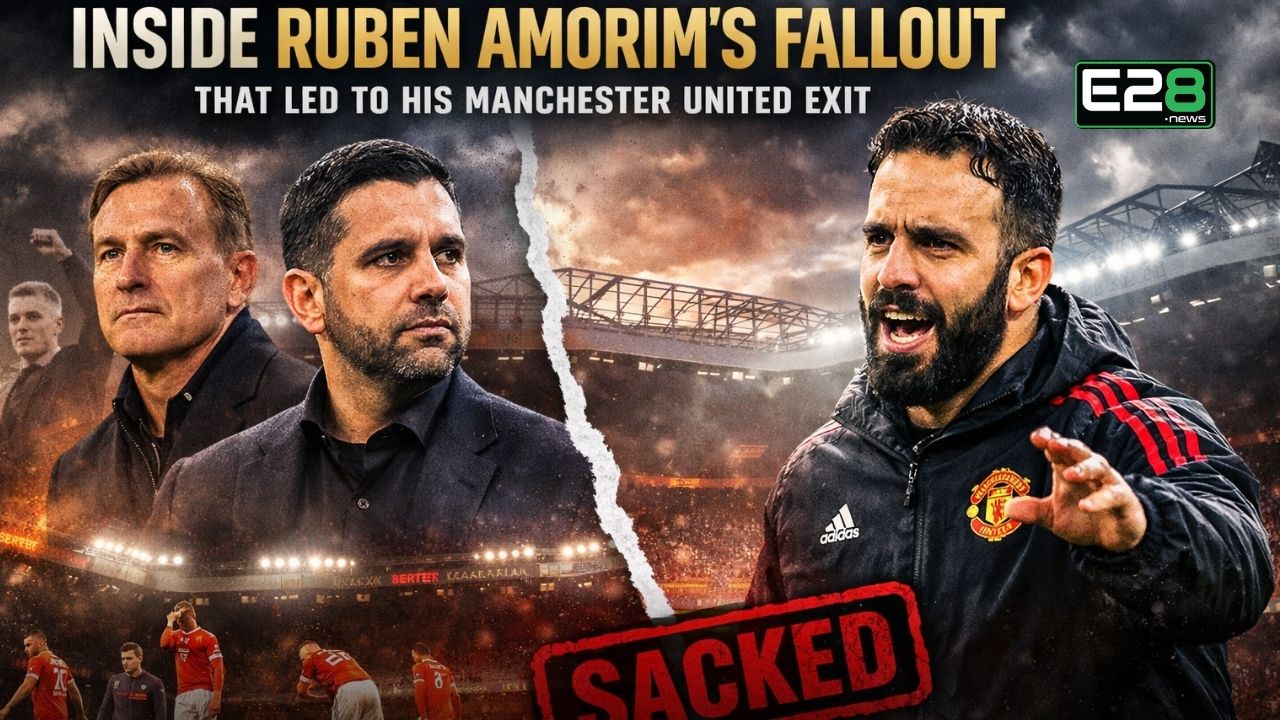
The events that led to Ruben Amorim’s dismissal from Manchester United began quietly but escalated rapidly behind the scenes, with a tense meeting early in the new year proving decisive.
On January 2, the Portuguese coach met director of football Jason Wilcox for what was intended to be a routine performance review. Instead, the discussion turned heated. Club sources describe a manager who could be personable but also increasingly emotional and resistant to criticism, with senior figures concluding that the working relationship had become unsustainable.

Wilcox, notably, had been Ruben Amorim’s strongest internal supporter, repeatedly arguing that he deserved more time. What the head coach appeared not to realise was that the feedback reflected broader concerns from within United’s leadership. The club operates under a collective structure, and his refusal to adapt or accept guidance caused trust to erode.
Those tensions surfaced publicly at Elland Road, where Ruben Amorim suggested others at the club needed to “do their job” during his final press conference. His dismissal followed the next day, although United insist the decision had been forming well before that outburst.
Tactical Disputes and Dropped Points
A major source of frustration centred on tactical rigidity under Ruben Amorim. United were disappointed by a return to a back-three system against Wolves, a match in which they failed to beat a winless opponent and struggled badly in midfield.
Club officials believed progress had been made when the team briefly shifted to a back four, producing a high-scoring draw with Bournemouth and a rare clean sheet against Newcastle. However, a swift return to the previous setup resulted in draws against Wolves and promoted Leeds, leaving the side with only three wins from 11 matches.
While United remained sixth and in contention for European qualification, there was growing concern that missed opportunities during a favourable run of fixtures could prove damaging later in the season.
Ruben Amorim: Backing, Transfers, and Expectations
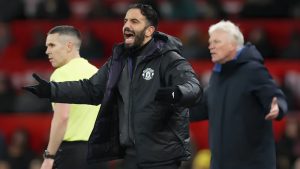
The club maintain they showed significant faith by retaining Ruben Amorim after a 15th-place finish last season — their lowest in half a century — and backing him with £220 million in new signings. Total spending during his tenure reached approximately £250 million.
United’s long-term plan was for structured football initially, followed by a gradual move toward a more expansive attacking style. Although goal numbers improved, decision-makers felt performances did not evolve as expected.
Recruitment strategy also caused friction. While Amorim supported the club’s data-led approach, he privately favoured different attacking targets, including Viktor Gyökeres, who ultimately chose Arsenal. Despite midfield weaknesses, attacking reinforcements remained the priority, with Bournemouth winger Antoine Semenyo identified as a key January target.
Interim Solution and Looking Ahead
Performances at Old Trafford often failed to excite, particularly in home matches against Everton, West Ham, Newcastle and Wolves. United insist the issue was not the system itself but the lack of attacking fluency and entertainment.
Darren Fletcher has now been placed in interim charge, with no formal approach yet made for a permanent successor. The club believes Ruben Amorim received extensive backing, pointing to a return of 58 points from 47 Premier League matches.
With both sides ultimately frustrated, United must now reflect on their own appointment process as they search for a more suitable long-term solution.
Read more:-