


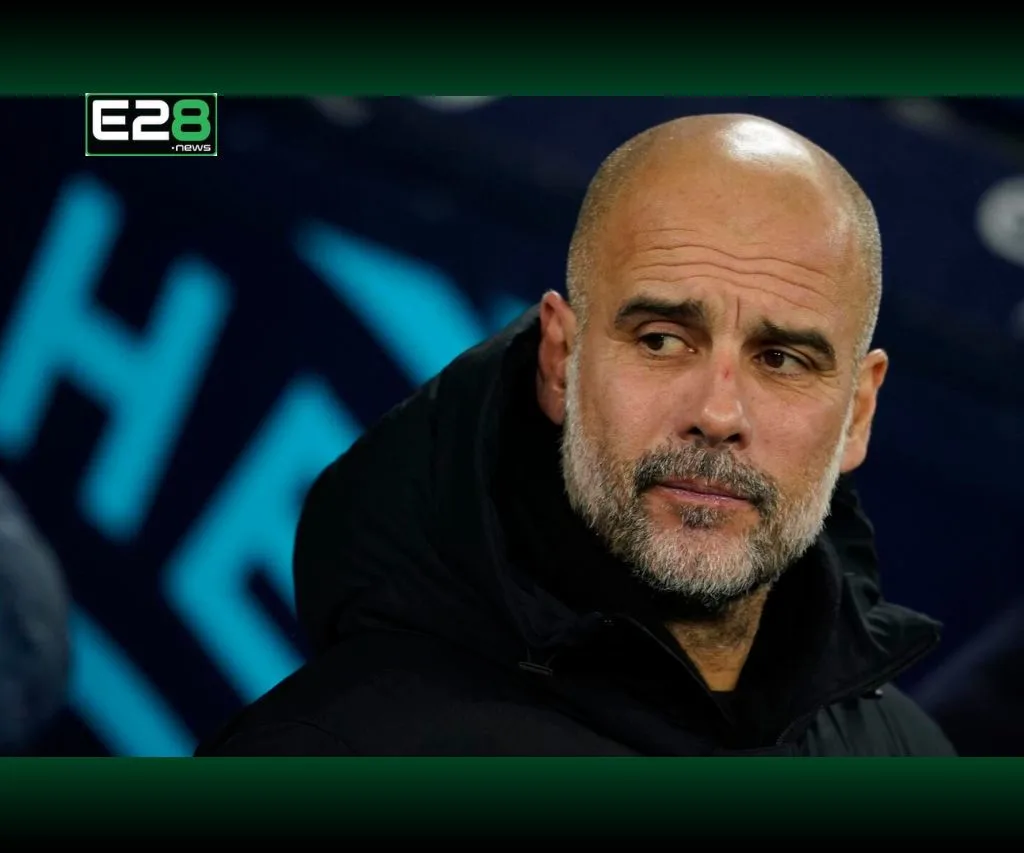
Midway through the Premier League season, Manchester City sit just two points behind leaders Arsenal, with both teams winning 12 of their 17 matches so far. After a rare stumble last season—finishing third despite dominating English football for years—and a shaky opening to this campaign, Pep Guardiola’s side have rediscovered their edge.
While Guardiola’s teams are often associated with a fixed footballing identity, each of his title-winning seasons has featured a different tactical structure. This year’s Manchester City, however, represents one of his boldest reinventions yet.
New Roles, New Shape: City’s Evolving System, Manchester
In recent weeks, Guardiola has settled on a flexible XI that looks very different from previous versions of City. Two natural midfielders—Matheus Nunes and Nico O’Reilly—have been deployed at full-back, offering pace, stamina, and attacking intelligence rather than traditional defensive solidity.
Their athleticism allows them to surge forward, support attacks, and recover quickly in transition. At times, they stretch the pitch by staying wide, enabling City’s wingers to drift inside. In other moments, they overlap into central areas, creating goal-scoring threats that are difficult for opponents to track.
This tactical shift has added unpredictability to City’s build-up play and made their attacks harder to defend.
Packing the midfield has also been a key feature. Players such as Phil Foden, Rayan Cherki, and Jeremy Doku are given freedom to roam centrally, creating tight combinations and quick one-touch exchanges.
After facing City, Bournemouth manager Andoni Iraola summed it up perfectly:
“𝑬𝒗𝒆𝒏 𝒘𝒉𝒆𝒏 𝒔𝒑𝒂𝒄𝒆 𝒊𝒔 𝒍𝒊𝒎𝒊𝒕𝒆𝒅, 𝑪𝒉𝒆𝒓𝒌𝒊 𝒂𝒏𝒅 𝑭𝒐𝒅𝒆𝒏 𝒄𝒂𝒏 𝒑𝒍𝒂𝒚 𝒐𝒏𝒆-𝒕𝒐𝒖𝒄𝒉 𝒇𝒐𝒐𝒕𝒃𝒂𝒍𝒍. 𝑻𝒉𝒆𝒊𝒓 𝒄𝒐𝒐𝒓𝒅𝒊𝒏𝒂𝒕𝒊𝒐𝒏 𝒊𝒔 𝒆𝒙𝒄𝒆𝒑𝒕𝒊𝒐𝒏𝒂𝒍.”
This congestion in central areas not only draws defenders inward but also opens space wide, allowing City’s attacking full-backs to exploit gaps.
Faster Transitions and Guardiola’s Relentless Standards
Traditionally known for patient possession, Manchester City have added a devastating counter-attacking edge this season. By playing more direct passes into Erling Haaland and supporting him with runners from midfield, Guardiola’s side has scored more fast-break goals than in the previous two seasons combined.
Cherki’s vision from deeper positions has helped replace some of the creativity lost following Kevin De Bruyne’s departure, while Haaland benefits from having more teammates close by during transitions.
Despite seven wins in their last eight league games, Guardiola remains demanding. After a comfortable victory over West Ham, he said:
“𝑰𝒕’𝒔 𝒏𝒐𝒕 𝒆𝒏𝒐𝒖𝒈𝒉. 𝑾𝒆 𝒉𝒂𝒗𝒆 𝒕𝒐 𝒑𝒍𝒂𝒚 𝒃𝒆𝒕𝒕𝒆𝒓. 𝑰𝒇 𝒘𝒆 𝒑𝒐𝒔𝒊𝒕𝒊𝒐𝒏 𝒐𝒖𝒓𝒔𝒆𝒍𝒗𝒆𝒔 𝒄𝒐𝒓𝒓𝒆𝒄𝒕𝒍𝒚, 𝒘𝒆 𝒄𝒂𝒏 𝒄𝒓𝒆𝒂𝒕𝒆 𝒎𝒐𝒓𝒆 𝒂𝒏𝒅 𝒄𝒐𝒏𝒄𝒆𝒅𝒆 𝒍𝒆𝒔𝒔.”
He later added:
“𝑰 𝒍𝒐𝒗𝒆 𝒕𝒉𝒆 𝒊𝒏𝒕𝒆𝒏𝒔𝒊𝒕𝒚, 𝒃𝒖𝒕 𝒘𝒆 𝒏𝒆𝒆𝒅 𝒎𝒐𝒓𝒆 𝒄𝒐𝒏𝒕𝒓𝒐𝒍 𝒔𝒐 𝒘𝒆 𝒅𝒐𝒏’𝒕 𝒉𝒂𝒗𝒆 𝒕𝒐 𝒓𝒖𝒏 𝒂𝒔 𝒎𝒖𝒄𝒉.”
With Rodri set to return and potential January reinforcements on the horizon, Guardiola appears to be blending innovation with the control that defined City’s dominance. If this balance is perfected, Manchester City could yet reach another devastating peak.
Also Read: Mali Stun Morocco with Gritty Comeback in AFCON Clash